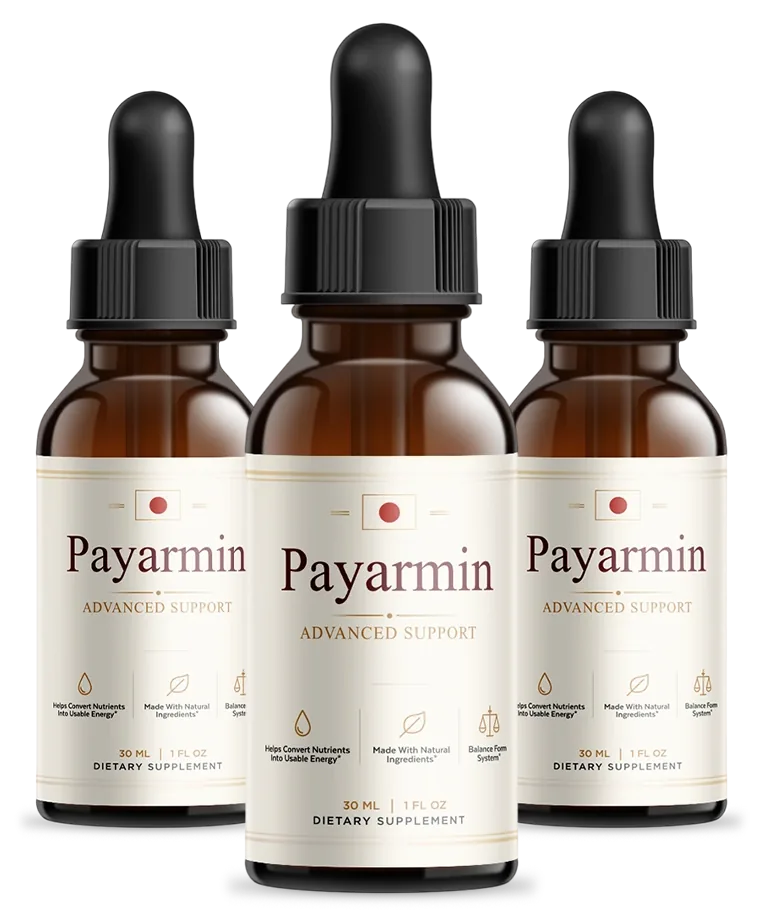
Ingredient profile: African mango
African Mango in Payarmin: Seed Extract, Fourth of 22
African mango in Payarmin is Irvingia gabonensis seed extract, listed fourth in the 200 mg blend, so one 1 ml serving holds at most 50 mg. The one small trial we found used 150 mg twice a day, and reviewers rate the evidence for weight loss as weak. No trial has tested Payarmin.
Written by the Payarmin label deskUpdated
The label line
What is African mango in Payarmin?
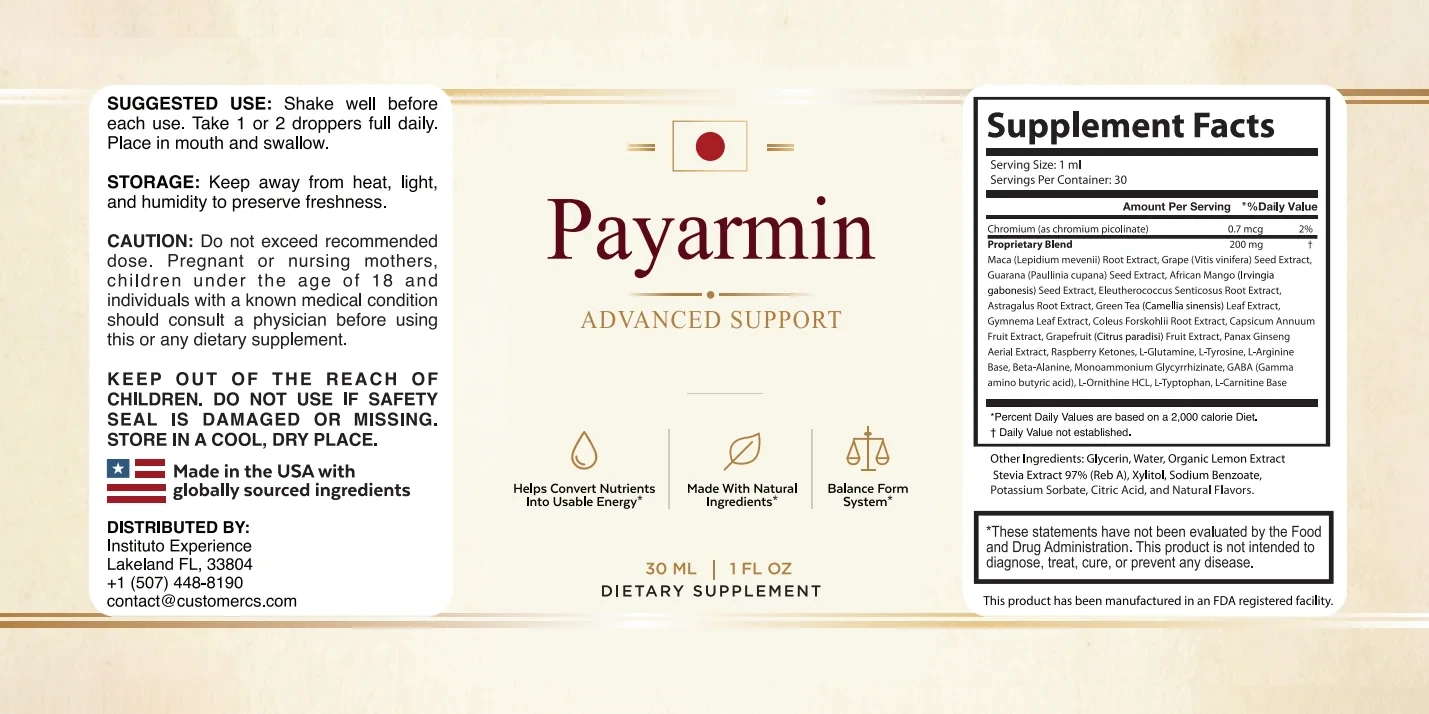
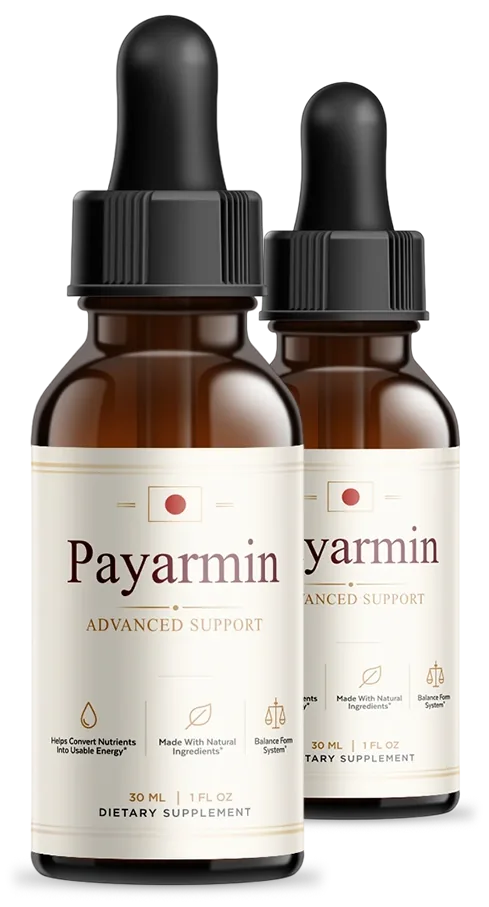
African mango in Payarmin is Irvingia gabonensis seed extract, printed on the label as “African Mango (Irvingia gabonensis) Seed Extract” and ranked fourth of 22.
The label gives no amount. Only maca, grape seed and guarana rank above it, so it cannot hold more than 50 mg in a 1 ml serving (21 CFR 101.36 (eCFR)).
The sales page names it as one of six headline ingredients and ties it to leptin (Payarmin sales page).
Fourth place is high for a plant with weak evidence. It means the maker placed African mango ahead of green tea, gymnema and ginseng by weight.
High rank does not mean high dose. The blend is only 200 mg in all, and three heavier ingredients come first.
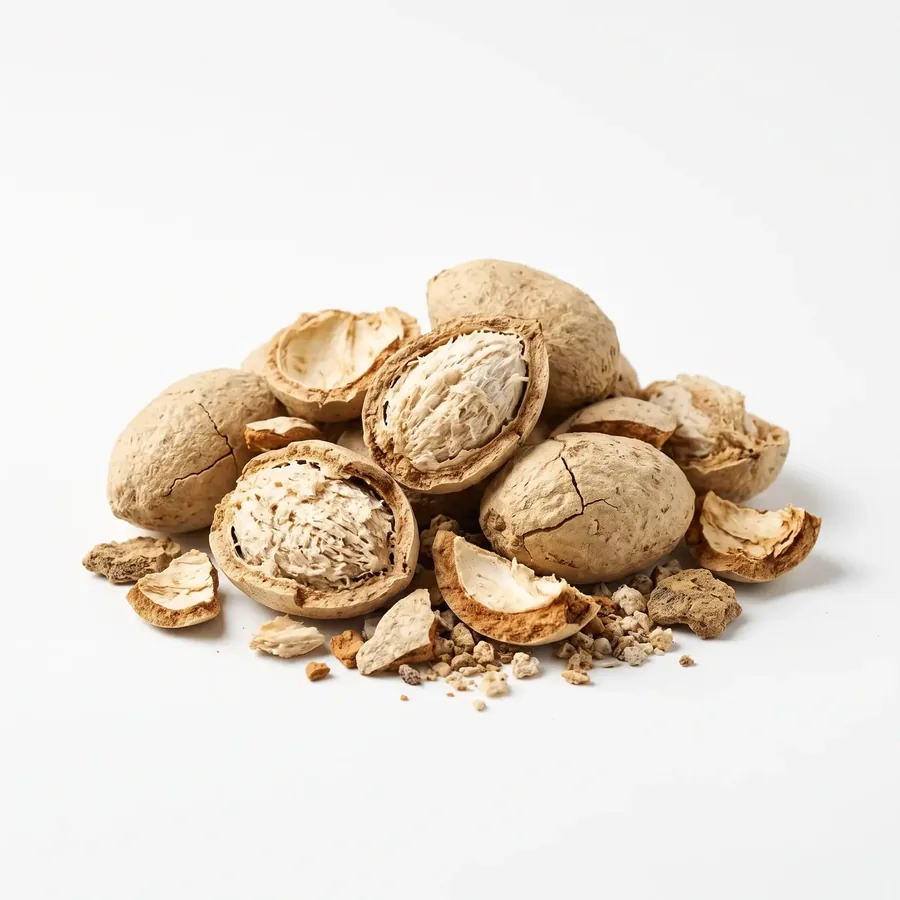
Seed or fruit
Which part of the plant is in the drops?
The seed. The label says Seed Extract, and the sales page says African mango seed, so Payarmin does not list the fruit pulp.
Most studies of African mango used seed extract too, which keeps the research roughly on topic (Irvingia gabonensis (African mango) per MSKCC).
The name is confusing, because the plant is called a mango. The seed is what the label lists.
When you read about African mango online, check which part the page means. Seed extract, fruit pulp and leaf are different materials, and doses do not carry across.
For Payarmin, only the seed extract line applies. The reviewers we cite also write about seed extract, and we use their numbers.
The math
How much African mango can one serving hold?
A 1 ml serving holds at most 50 mg of African mango. That is the 200 mg blend divided by the ingredient’s place, 4.
An even split would give about 9 mg. The one small trial we found used 150 mg before lunch and dinner, or 300 mg a day (Dietary Supplements for Weight Loss per NIH ODS).
The label does not say how many mL a dropper holds, so two droppers a day may or may not double these amounts.
| Figure | Amount | Share of the 300 mg daily trial dose |
|---|---|---|
| Even split of the blend | About 9 mg | About 3% |
| Ceiling for place 4 | At most 50 mg | At most 17% |
| Whole bottle at the ceiling (30 servings) | At most 1,500 mg | 5 days of the trial dose |
| Trial dose, 150 mg twice a day | 300 mg a day | 100% |
Ceilings are arithmetic from the label order. The trial ran 10 weeks and was small (Dietary Supplements for Weight Loss per NIH ODS).
The research
Does African mango help with weight loss?
Not convincingly. Evidence for African mango and weight loss is weak, because most studies are small and of poor methodology (Irvingia gabonensis (African mango) per MSKCC).
Human data on blood sugar are limited too. The 10-week trial we found was small, and NIH calls the evidence limited (Dietary Supplements for Weight Loss per NIH ODS).
NCCIH says there is no reliable evidence that any herbal supplement helps control diabetes (Diabetes and Dietary Supplements per NCCIH).
Weak
Small studies, poor methods. No firm result.
Limited
Few human data. A glucose-lowering effect has been shown in rats.
Never tested
No trial covers Payarmin or a 50 mg ceiling.
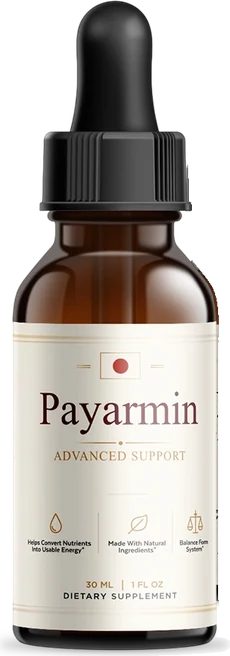
Payarmin: from $49 a bottle30 mL each · label dose: 1 or 2 droppers daily · packs of 2, 3 or 6 · 3 and 6 ship free in the US · backed by a 60-day guarantee
View packsSales page claim
What does the sales page say about leptin?
The sales page says African mango “acts directly on leptin”. It gives no amount, no study and no test of the drops (Payarmin sales page).
The sources we read cover weight and blood sugar, not leptin, and they rate the evidence as weak or limited (Irvingia gabonensis (African mango) per MSKCC).
FTC guidance asks for competent and reliable evidence behind a health claim, usually human trials of the same product (Health Products Compliance Guidance per FTC).
| Source | What it says |
|---|---|
| Sales page | Quoted leptin claim. No amount. |
| Label | Seed extract, fourth of 22, no amount, so at most 50 mg per 1 ml. |
| Research | Weak for weight, limited for blood sugar. |
See the other five claims on the benefits page.
Safety
What side effects and cautions come with African mango?
Reported side effects include gas, headache and trouble sleeping, and one case of kidney failure needing dialysis was reported (Irvingia gabonensis (African mango) per MSKCC).
MSK lists use with diabetes medicines as a caution, because rat studies show a possible additive glucose-lowering effect (Irvingia gabonensis (African mango) per MSKCC).
Keep taking every prescribed medicine and dose. Do not stop or change one because of a supplement.
The kidney report is one person. It is not a measured risk, and we cannot tell how common it is.
The label asks pregnant or nursing mothers, anyone under 18 and anyone with a known medical condition to consult a physician first.
Label profile
Where does African mango sit among the 23 label lines?
African mango is line 4 of the 22 blend names, behind maca, grape seed and guarana.
The tables below set its label facts beside the research.
| Printed name | African Mango (Irvingia gabonensis) Seed Extract |
|---|---|
| Kind of ingredient | Irvingia gabonensis seed |
| Where it sits | 4 of 22 in the 200 mg proprietary blend |
| Content in 1 ml | No printed amount; ranked 4 of 22 in the 200 mg blend, which caps it near 50 mg per 1 ml |
| Dose in studies | 150 mg before lunch and dinner (300 mg a day) in one small trial |
| How strong the evidence is | Weak; small, low-quality trials |
| Usual marketing or folk use | Sold for weight management |
| Chief caution | Gas, headache, trouble sleeping; one reported kidney-failure case; care with diabetes drugs. |
FAQ
Questions people raise about african mango?
One to start with: What is African mango? Plus 5 more answered below.
Each answer gives the plain reply first, then the reasoning and a citation where available.
What is African mango?
African mango is Irvingia gabonensis, a plant whose seeds are made into an extract. Payarmin lists the seed extract in fourth place. Studies of it are small and rated weak for weight loss, and limited for blood sugar (Irvingia gabonensis (African mango) per MSKCC).
Does African mango help weight loss?
The evidence is weak. Most studies are small and poorly designed, and NIH calls the data limited (Irvingia gabonensis (African mango) per MSKCC)(Dietary Supplements for Weight Loss per NIH ODS). No trial has tested Payarmin for weight, so we make no weight claim for the drops.
How much African mango is in Payarmin?
The label does not say. African mango is fourth in a 200 mg blend of 22, so a 1 ml serving holds at most 50 mg and about 9 mg on an even split (21 CFR 101.36 (eCFR)). The small trial we found used 300 mg a day (Dietary Supplements for Weight Loss per NIH ODS).
Is African mango extract safe?
Reported effects include gas, headache and poor sleep, and one kidney-failure case needing dialysis was also reported (Irvingia gabonensis (African mango) per MSKCC). Ask a doctor first if you use diabetes medicine, are pregnant or nursing, or have a medical condition.
Is African mango the fruit or the seed?
In Payarmin it is the seed. The label reads Seed Extract, and the sales page says African mango seed. Most research we cite covers seed extract too (Irvingia gabonensis (African mango) per MSKCC), though the plant is called a mango.
What is Irvingia gabonensis?
Irvingia gabonensis is the Latin name of the African mango plant, and the label prints it in parentheses after the common name. The part used in Payarmin is the seed extract, ranked fourth of 22 in the blend (Irvingia gabonensis (African mango) per MSKCC).
Who wrote this
Who wrote and reviewed this Payarmin guide?
The Payarmin label desk drafted these pages from the bottle label, the order page and public research links.
The clinician who reviews these pages is named in the box below when that review exists.
Every page starts at the printed bottle label, quotes the order page, and links outside research.
Page updated . How we work: editorial standards and how reviews are checked. This site belongs to an authorized Payarmin shop. It is separate from the maker and from the distributor named on the label. Orders placed through our links pay the shop a commission.
Keep reading
Where to go next
Good next stops are ingredients, claims vs evidence, the other blend herbs.
All three use the same label facts and cite their research.
American Payarmin authorized shop
Ready to try Payarmin?
Ask your pharmacist about your own medicines, then choose a size. The larger packs lower the per-bottle price and include free US delivery; the refund clock runs from purchase day.
- Checkout on the sales page
- 60-day results-or-refund guarantee
- US delivery free on 3- and 6-packs